

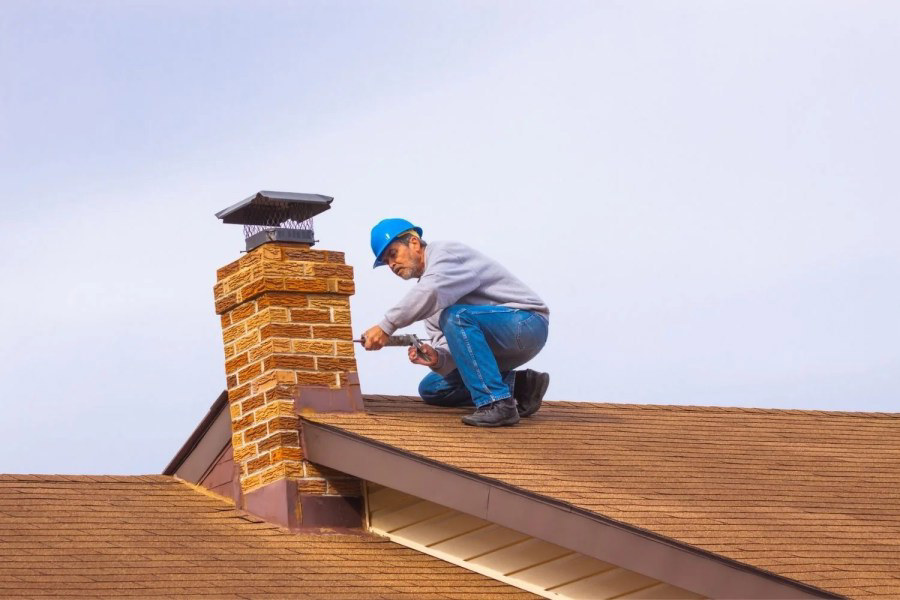
When homeowners discover a roof leak, they often assume damaged shingles are to blame. However, one of the most common sources of roof leaks is not the shingles at all—it’s the chimney flashing.
Chimney repair flashing is one of the most overlooked aspects of home maintenance. Flashing is a critical barrier that prevents water from entering the home where the chimney meets the roof. When it fails, water intrusion can begin slowly and quietly, often causing significant interior damage before it’s ever detected.
Understanding how flashing works, why it fails, and when it needs repair can save homeowners from expensive structural damage.
Table of Contents
What Is Chimney Flashing?
Chimney flashing is a system of metal components installed at the intersection where the chimney structure passes through the roof. Because this junction creates a natural gap between vertical masonry and horizontal roofing materials, it is inherently vulnerable to water intrusion.
Flashing is designed to bridge that gap and direct water away from the seam.
Proper chimney flashing typically consists of:
- Step flashing (woven into shingles along the chimney sides)
- Counter flashing (embedded into mortar joints to cover step flashing)
- Base flashing (at the front of the chimney)
- Back flashing or saddle flashing (at the rear to divert water downhill)
Each component plays a specific role in redirecting water safely off the roof and away from vulnerable seams.
When properly installed and maintained, flashing provides a watertight seal that protects both the roof and the chimney structure.
Why Chimney Flashing Is So Vulnerable
Unlike most roof surfaces, chimney flashing must accommodate two different materials that expand and contract at different rates—masonry and roofing systems. This movement places constant stress on the flashing.
Over time, flashing becomes vulnerable due to:
- Thermal expansion and contraction
- Roof movement and settling
- Freeze–thaw cycles
- Corrosion or rust
- Improper installation
- Aging sealants
- Wind-driven rain and snow
Even minor separation between flashing and masonry can allow water to penetrate.
How Flashing Failure Leads to Interior Damage
When chimney repair flashing is needed but delayed, water often enters slowly rather than in dramatic leaks. This makes the damage more dangerous because it develops quietly.
Water entering through flashing can damage:
- Roof decking
- Attic insulation
- Interior ceilings
- Wall framing
- Drywall
- Masonry mortar joints
Because water travels along beams and rafters before dripping, the visible leak may appear far from the actual source.
By the time homeowners notice ceiling stains, the underlying damage may have been developing for months.
Signs That Chimney Flashing May Be Failing
Homeowners often don’t inspect their flashing directly, but there are warning signs that suggest flashing repair may be needed.
Common indicators include:
- Water stains near the fireplace
- Damp insulation in the attic
- Peeling paint near ceiling corners
- Mold or mildew smells near the chimney
- Rusted flashing visible from the roof
- Gaps between flashing and masonry
- Cracked mortar joints where counter flashing is embedded
Any of these signs warrant professional evaluation.
The Role of Freeze–Thaw Cycles in Flashing Damage
In colder climates, freeze–thaw cycles accelerate flashing deterioration. When moisture enters small gaps between flashing and brick, it freezes and expands. This expansion widens the gap, allowing more water to enter during the next thaw.
Repeated cycles lead to:
- Loosened counter flashing
- Cracked mortar joints
- Lifted step flashing
- Progressive water intrusion
Over time, what begins as a minor gap can develop into significant structural damage.
Why Improper Installation Is a Common Cause
Many chimney flashing issues trace back to improper installation. Flashing must be layered precisely with roofing materials and properly embedded into mortar joints.
Common installation mistakes include:
- Using caulk instead of counter flashing
- Failing to embed flashing into masonry
- Incorrect overlap of step flashing
- Poorly sealed joints
- Inadequate back flashing (saddle) behind the chimney
Shortcuts during installation often hold temporarily but fail under seasonal stress.
Professional chimney repair flashing corrects these issues properly rather than applying temporary surface fixes.
The Difference Between Flashing Repair and Replacement
Not all flashing issues require full replacement. Minor separation or seal failure may be corrected through repair.
Flashing repair may involve:
- Re-securing loose counter flashing
- Replacing small damaged sections
- Re-sealing joints with proper materials
- Re-embedding flashing into mortar joints
However, extensive corrosion, improper installation, or widespread deterioration may require full flashing replacement.
A professional assessment determines the appropriate approach.
Why Flashing Problems Often Appear During Heavy Rain or Snowmelt
Flashing failures often become noticeable during:
- Prolonged rainstorms
- Rapid snowmelt
- Ice dam formation
- Wind-driven rain
During these events, water volume increases, and existing gaps are overwhelmed. This is often when homeowners first notice ceiling stains or dripping.
Unfortunately, by the time visible leaks appear, interior damage may already be significant.
The Long-Term Impact of Ignoring Flashing Repairs
Ignoring chimney flashing issues can result in:
- Structural wood rot
- Mold growth
- Masonry deterioration
- Insulation damage
- Increased repair costs
- Decreased property value
Water intrusion rarely resolves itself. Small leaks almost always worsen over time.
Early chimney repair flashing is far less expensive than repairing structural framing or interior drywall.
Why Professional Evaluation Is Essential
Because flashing integrates with both the roof and the chimney structure, proper repair requires understanding both roofing systems and masonry behavior.
A qualified professional can:
- Identify the true source of leaks
- Determine whether repair or replacement is needed
- Ensure proper integration with roofing materials
- Preserve structural integrity
- Prevent recurring leaks
DIY repairs using caulk or sealant alone often provide only temporary relief and may conceal deeper problems.
Final Thoughts
Chimney repair flashing is one of the most critical yet overlooked components of home protection. While it may not be visible from the ground, it plays a major role in preventing water intrusion and structural damage.
When flashing fails, leaks often develop slowly and silently—causing hidden deterioration before visible signs appear. Addressing flashing issues early protects your roof, your chimney, and your home’s interior from costly damage.
If water stains or moisture appear near your chimney, professional evaluation should be a priority. Proper flashing repair ensures your home remains watertight, structurally sound, and protected for years to come.
 sweety
  samanvya